What Castle Rock Colorado Living Is Really Like
May 28, 2026
May 28, 2026
Wondering if Castle Rock gives you the best of both worlds? If you want easier access to both Denver and Colorado Springs without giving up a real town center, outdoor space, and a distinct local identity, Castle Rock deserves a closer look. Here’s what living in Castle Rock is really like, from commute patterns and housing options to trails, downtown, and daily life. Let’s dive in.
Castle Rock sits in a unique spot along the I-25 corridor. Town materials place it about 30 miles north of Denver and 34 miles south of Colorado Springs, which makes it appealing if your life pulls you in both directions.
But Castle Rock is not just a midpoint on a map. The town describes itself as physically freestanding from the rest of the metro area, with a small-town feel, a self-sufficient civic identity, and a historic downtown that helps it feel more grounded than many commuter suburbs.
One of the biggest differences you may notice in Castle Rock is its downtown. The town calls Downtown Castle Rock the heart of the community, with historic rhyolite buildings, repurposed landmarks, and newer residential development woven into the core.
That mix creates a more traditional main-street feel than you find in many Front Range suburbs. If you value having a recognizable town center instead of only shopping centers and subdivisions, this is a meaningful part of Castle Rock’s appeal.
Festival Park plays a big role in community life. It sits in the heart of downtown and hosts events like First Fridays and the farmers market, while also connecting directly to the East Plum Creek and Sellars Gulch trail system.
That means downtown is not just a place to run errands or grab a meal. It also connects to the outdoor spaces that shape daily life in Castle Rock.
If you are considering a move here, it helps to understand the daily rhythm. Castle Rock is largely car-oriented, and that affects how people move through town and how they plan work, school, shopping, and recreation.
The town says voters opted out of RTD and related taxes in 2005. Current transportation planning still centers on roads, bike and pedestrian links, and long-range traffic management rather than regional transit service.
The most recent U.S. Census Bureau QuickFacts table lists a mean travel time to work of 28.6 minutes for workers age 16 and older. For many buyers, that helps set realistic expectations about life here: you are in a convenient north-south location, but your routine will likely depend on driving.
Castle Rock is still investing in road access and safety. The Crystal Valley Interchange project is designed to improve access on the south end of town, create a new connection across I-25, and is scheduled for full completion in 2027.
The town also funds a taxi voucher program for trips that begin and end within town limits. Taken together, these details reinforce the idea that Castle Rock functions best for people who are comfortable with a car-based lifestyle.
For many buyers, this is where Castle Rock becomes especially compelling. The town says it manages 104 miles of trails, 25 parks, and more than 4,000 acres of open space.
With local partners, that grows to more than 130 miles of trails, more than 60 parks, and over 6,900 acres of open space. If you want everyday access to trails, views, and recreation without leaving town, Castle Rock offers a strong setup.
In Castle Rock, trails are not just extras. They are part of the town’s layout and identity.
The Castle Rock section of the Colorado Front Range Trail runs 15 paved miles through neighborhoods and open space. The town describes it as a crossroads connecting users from southern Douglas County through Castle Rock to Denver, which shows how local recreation and regional connectivity overlap here.
Castle Rock also offers notable open-space destinations close to everyday neighborhoods. Lost Canyon Ranch Open Space is a 681-acre property just a short drive from downtown, and Quarry Mesa is highlighted by the town for its views across Douglas County and the Front Range.
If your ideal home search includes access to outdoor amenities, Castle Rock gives you more than a few scattered parks. It offers a system that is built into the way the community functions.
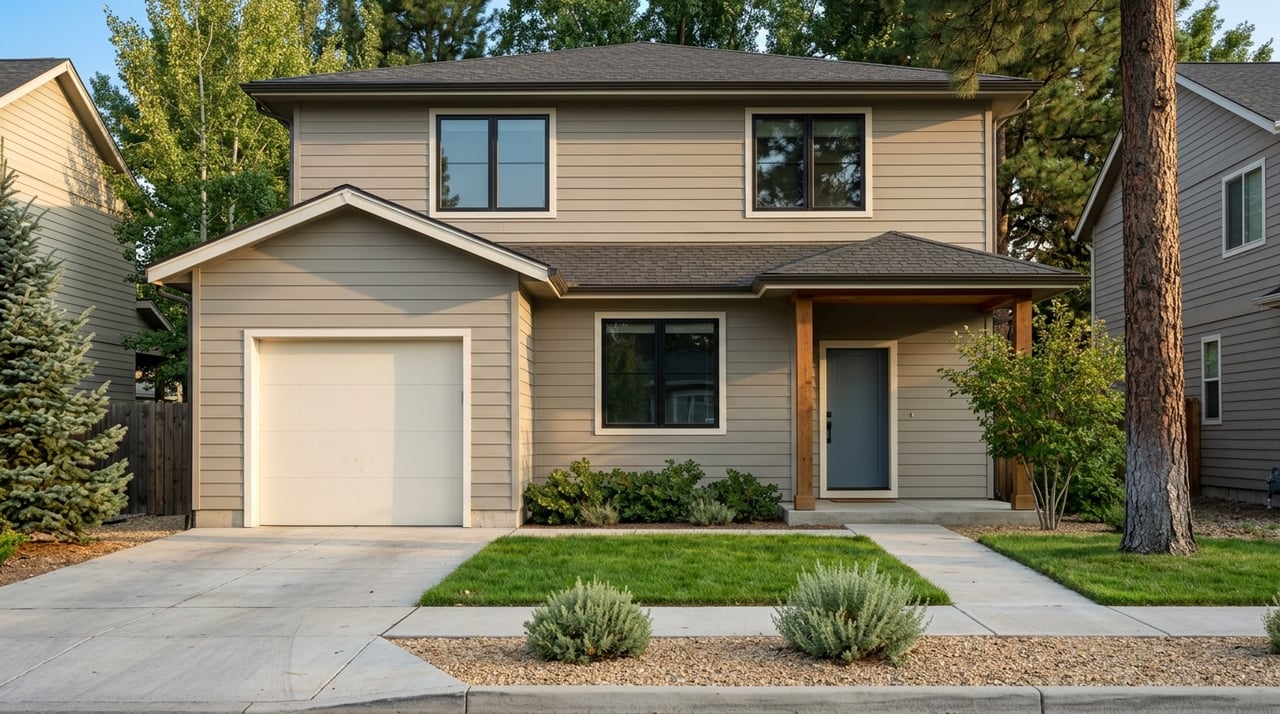
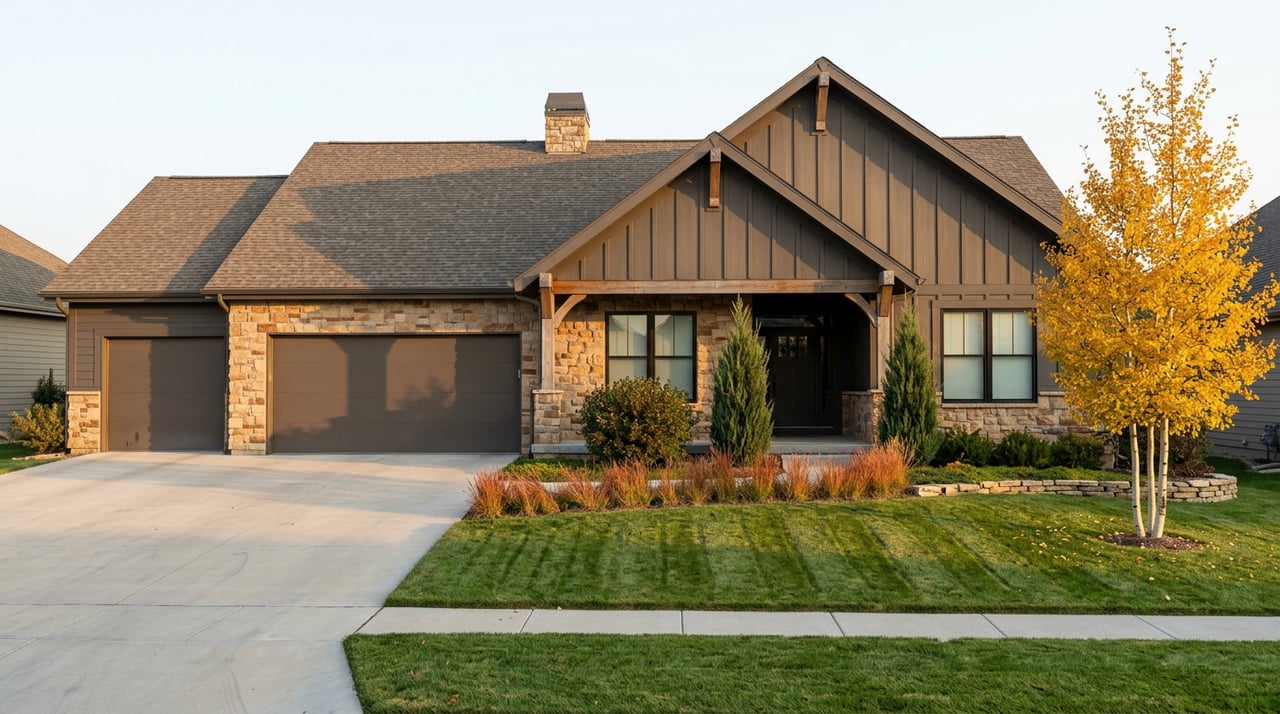
Castle Rock is still mostly a single-family home market, but it is no longer limited to detached homes. A recent town consolidated plan says 74% of the housing stock is traditional one-unit detached housing.
At the same time, 8% is one-unit attached, 2% is in two- to four-unit structures, 8% is in five- to 19-unit buildings, 7% is in 20-plus-unit buildings, and 1% is mobile-home or RV-type units. That matters if you want flexibility in how you live, not just where you live.
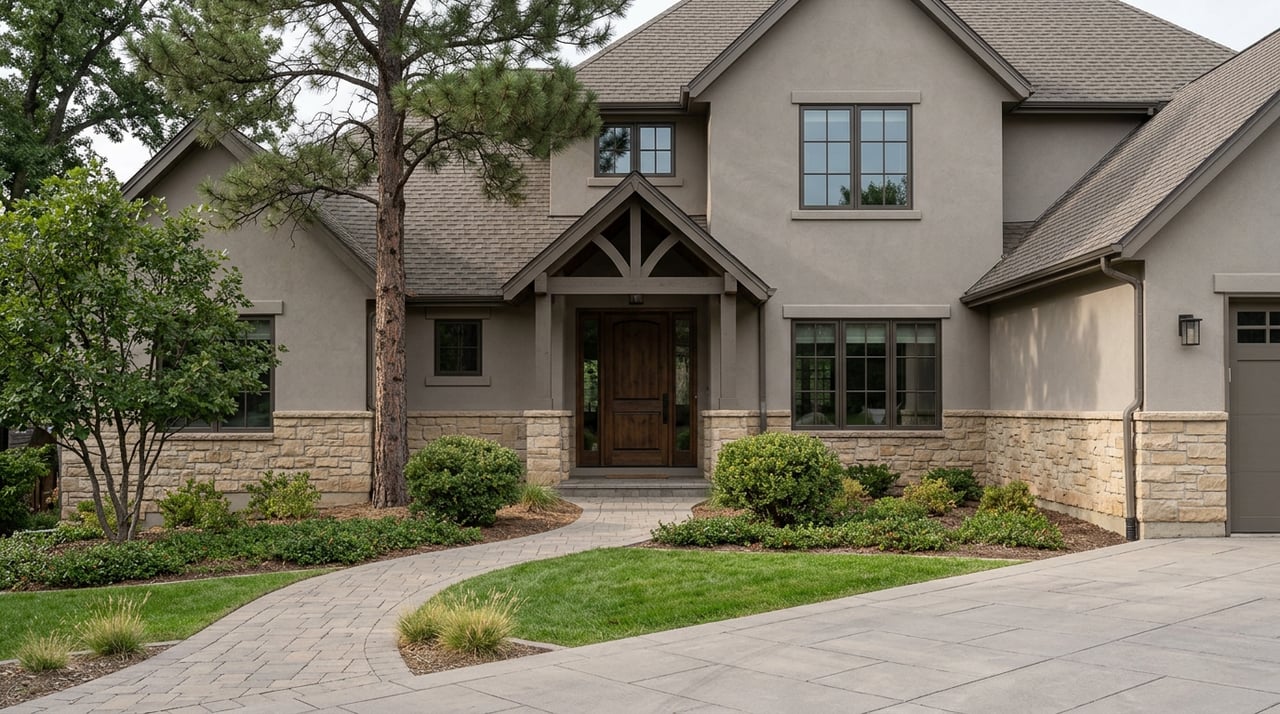
The town’s neighborhood information adds more context. Castle Rock includes homes that are more than 100 years old near the center of town, newer construction in a range of styles and settings, and more than 150 mapped neighborhoods.
That creates a wider decision set than many buyers expect. You may be choosing between older in-town character, a newer master-planned neighborhood, or a mixed-use setting closer to downtown activity.
Town development data shows Castle Rock has continued building across different housing types. Over the past 25 years, the town says it has averaged about 780 single-family homes and 150 multifamily units per year.
Downtown planning has also brought new residences to Mercantile Commons, Riverwalk, and Encore. In addition, town materials note multifamily projects around larger commercial corridors, which points to a market that is gradually adding more attached and multifamily options while detached homes still remain the dominant choice.
Current Census QuickFacts help fill in the bigger picture. Castle Rock has an owner-occupied housing rate of 78.8%, a median owner-occupied value of $652,900, and a median gross rent of $2,000.
Those numbers suggest a market that remains strongly owner-occupied and often attracts buyers looking for more space and long-term stability. It may especially appeal to move-up buyers or households that want a home environment with more room, parking, and access to open space.
Castle Rock is best understood as a town-center-and-trails community with a strong identity. It is not a dense urban environment, and it is not an isolated outpost far from the Front Range spine.
Relative to more urban areas, you will generally find more open space, more driveway and garage-oriented living, and a more traditional downtown core. Relative to locations farther from I-25, Castle Rock offers a practical position for people balancing destinations to the north and south.
If you are comparing Front Range towns, Castle Rock can make sense when your priorities go beyond a simple commute map. You may be looking for a place that feels established, offers strong outdoor access, and gives you more choice in neighborhood style than a one-note suburb.
This is where local guidance matters. The right fit in Castle Rock often comes down to how you want your days to feel, whether that means proximity to downtown, easier I-25 access, newer construction, or a home base closer to trails and open space.
If you want help sorting through Castle Rock neighborhoods, housing styles, or how this location compares with communities farther south, Lauren Trent offers the kind of hands-on, local guidance that can make your move feel clear and manageable.
Stay up to date on the latest real estate trends.
Lauren is fiercely passionate about real estate. She believes everyone deserves an advocate in their corner. Whether you’re a seasoned investor or a first-time homebuyer, she is here to have your back. As an experienced agent, she faithfully guides her clients through every step of the buying and selling process.